We have made an introduction to magnets earlier. We read about natural magnets, and the earth's magnetic field. Now let us read about artificial magnets.
What is an artificial magnet?
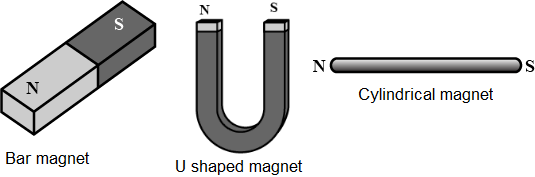
The word says it all – a magnet created by humans using specific techniques. Natural magnets, or lodestones, occur in nature and usually have irregular, stone-like shapes. Artificial magnets, on the other hand, come in various defined forms such as bar-shaped, horseshoe-shaped, spherical, cylindrical, or flat disc-shaped.
Magnetic materials
All matter consists of atoms. Negatively charged electrons orbit the nucleus, and their motion generates an electric current. This current, moving in circular paths, creates a magnetic field. In most materials, these magnetic fields point in random directions and cancel each other out, making the material nonmagnetic. However, by applying certain techniques or passing an electric current, some materials can be turned into magnets. In a magnet, most atoms are aligned so their magnetic fields point in the same direction. Magnetic materials are those that can be magnetized temporarily or permanently.
Types of magnetic materials
Depending on how strongly a magnetic material can be magnetized, it is classified into three types::
Ferromagnetic: These materials have strong magnetic properties. They are easily magnetised and retain their magnetism even after the external magnetic field is removed. Permanent magnets are made from ferromagnetic materials such as iron, nickel, and cobalt.
Paramagnetic: These materials are weakly attracted to a magnetic field. However, their magnetisation disappears once the external field is removed. Examples include oxygen, sodium, and platinum.
Diamagnetic: These materials are weakly repelled by a magnetic field. They develop a magnetic moment opposite to the applied field, creating a repulsive effect. Water, mercury, gold, and silver are examples.
Ferromagnetic materials can be either soft or hard. Soft ferromagnetic materials are used to make temporary magnets, while hard ferromagnetic materials are used to make permanent magnets.
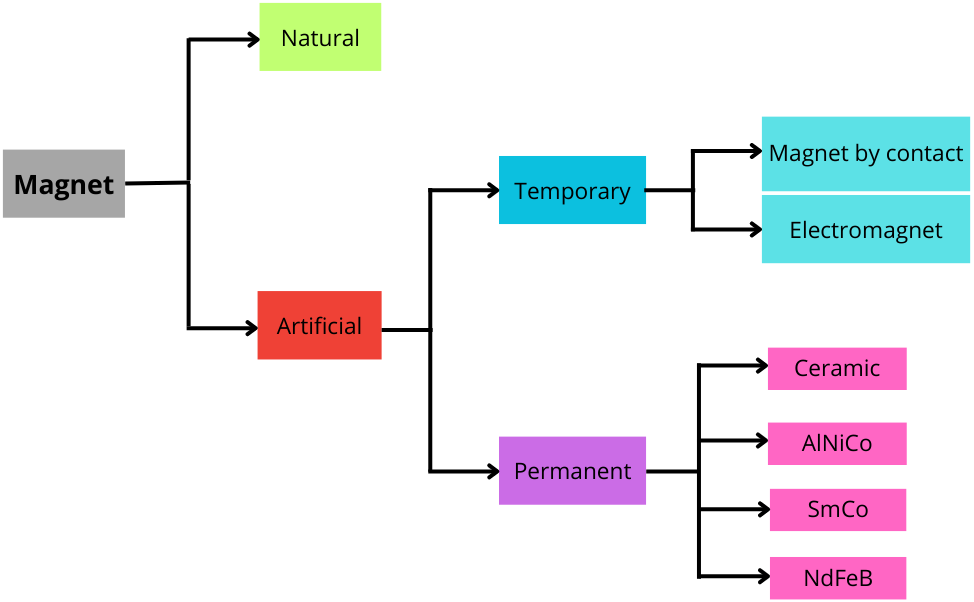
There are mainly two types of magnets: a. Natural magnets b. Artificial magnets
Permanent magnets
A permanent magnet does not lose its magnetic property easily. They are made of hard ferromagnetic materials. There are mainly four types of commercially available permanent magnets.
Ceramic: They are also called Ferrite magnet. They are inexpensive and the weakest of all permanent magnets. They are used in toys and fridge magnets.
AlNiCo: They are made by blending Aluminum, Nickel and Cobalt. They are commonly used magnets. They are used in motors, speakers, etc.
SmCo: They are called Samarium Cobalt. They are stronger than AlNiCo magnets, but are brittle and mechanically weak.
NdFeB: They are made by blending Neodymium, Iron and Boron. They are the strongest of all types.
Temporary magnets
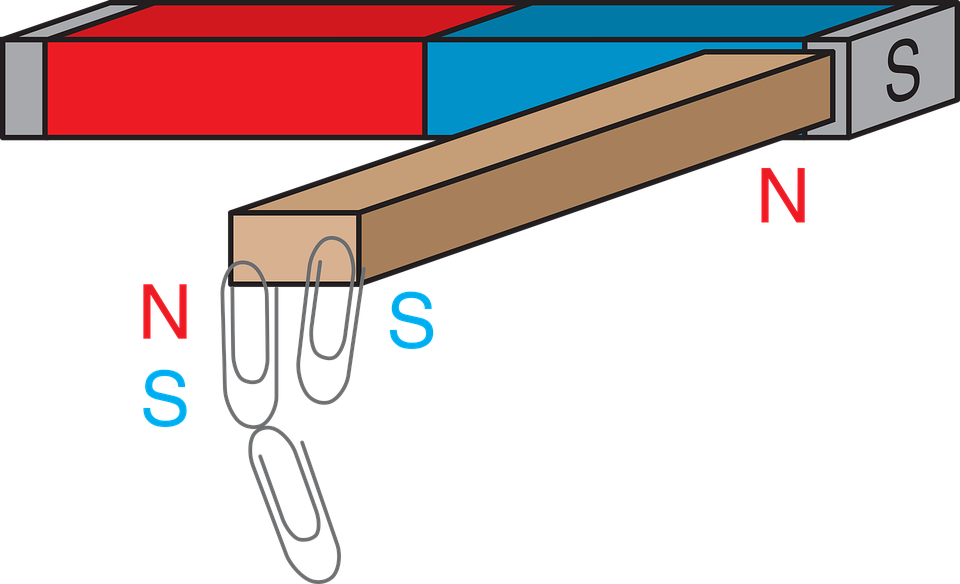
Temporary magnets, as the name suggests, do not retain magnetism for long. They lose their magnetic properties as soon as the external magnetic field is removed. These magnets are typically made from soft ferromagnetic materials like iron. For example, when you attach an iron nail to a permanent magnet, the nail temporarily becomes magnetized and can attract other nails. However, once you remove the magnet, the nail loses its magnetism, and the attracted objects fall away.
Electromagnet
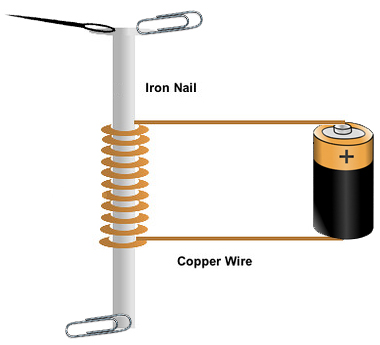
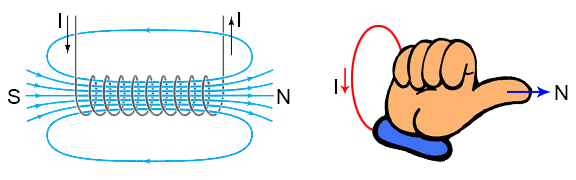
An electromagnet is a type of temporary magnet that works through the power of electric current. The term “electro” refers to electricity, which creates magnetism in this case. As shown in the figure, when current flows through a coil of wire (called a solenoid), it generates a magnetic field. Placing a soft ferromagnetic material like iron inside the solenoid turns it into a magnet. The material remains magnetic only while the current flows. Once the power is switched off, it instantly loses its magnetism.
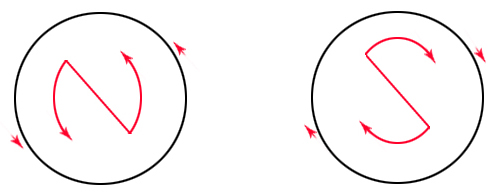
The position of the poles depends on the direction of the current in the solenoid. The poles are identified by the right hand rule.
Curl the right hand and extend the thumb up.
If the current direction is along the direction of the fingers in the anti-clockwise direction, then the extended thumb shows the direction of the N-pole of the created magnetic field.
If the current direction is in clockwise direction, then the thumb points opposite or away from us. The thumb always points to N-pole, and the other end is the S-pole.
Advantages of electromagnets
The polarity of an electromagnet can be reversed simply by changing the direction of the electric current.
The magnetic field strength increases or decreases depending on the amount of current flowing through the coil.
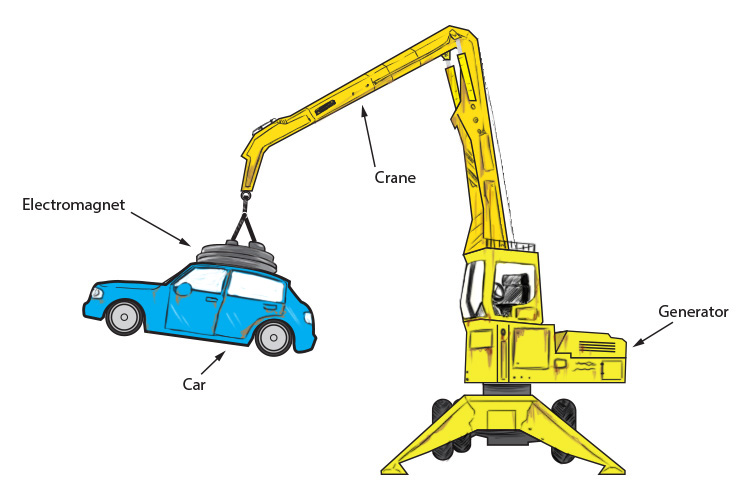
One key advantage of electromagnets is that their magnetic properties can be turned off when not needed. For example, in cranes used to lift scrap iron, switching off the current instantly drops the load.
This ability to control magnetic force is crucial in loudspeakers, magnetic tapes, hard drives, and other electromagnetic devices.
Applications of magnets
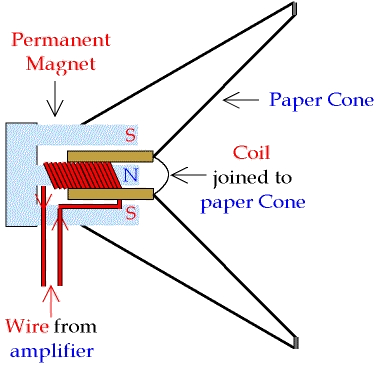
Speakers use both permanent and electromagnets to convert electric current into sound.
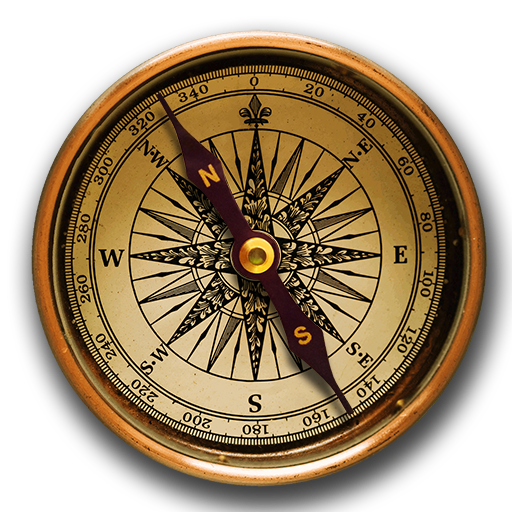
The directive property is used in compass to show direction.
Weak magnets are used to close fridge doors.
Electromagnets in cranes lift iron materials.
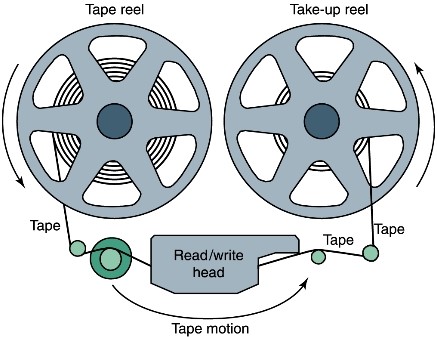
Magnetic tapes store data, audio and video.
Computer hard disks store data in magnetic fields.
The article gives right info about magnets. Nice explanation. Your site is not showing well in Google, have it search engine friendly for more visitors.
F*ckin’ tremendous issues here. I’m very glad to look your article. Thank you so much and i am taking a look ahead to touch you. Will you kindly drop me a e-mail?
May I simply just say what a comfort to discover a person that truly understands what they are talking about on the internet. You certainly realize how to bring a problem to light and make it important. I can’t believe you are not more popular because you definitely possess the gift.
Terrific work! That is the kind of info that should be shared around the net. Shame on Google for now not positioning this publish higher!
Come on over and talk over with my web site . Thank you =)
Hello, i feel that i saw you visited my weblog thus i came to go back the choose?.I’m trying to find things to improve my web site!I suppose its ok to make use of a few of your ideas!!
I absolutely love your blog and find a lot of your post’s to be just what I’m looking for. Does one offer guest writers to write content for you? I wouldn’t mind composing a post or elaborating on some of the subjects you write in relation to here.
Again, awesome site!
Hello there, I do think your web site might be having web browser compatibility problems.
When I take a look at your web site in Safari, it looks fine
however, when opening in Internet Explorer, it has some overlapping issues.
I merely wanted to give you a quick heads up! Aside from that, excellent blog!
Wow, wonderful blog layout! How long have you been blogging for?
you make blogging look easy. The overall look of your site is wonderful, let alone the content!


Pingback: Joe Goodall
Good read
The article gives right info about magnets. Nice explanation. Your site is not showing well in Google, have it search engine friendly for more visitors.
Itís hard to come by well-informed people in this particular topic, but you sound like you know what youíre talking about! Thanks
F*ckin’ tremendous issues here. I’m very glad to look your article. Thank you so much and i am taking a look ahead to touch you. Will you kindly drop me a e-mail?
May I simply just say what a comfort to discover a person that truly understands what they are talking about on the internet. You certainly realize how to bring a problem to light and make it important. I can’t believe you are not more popular because you definitely possess the gift.
Wow, that’s what I was searching for, what a stuff! present here at this web
site, thanks admin of this web site.
Feel free to visit my website
Pingback: G
Pingback: Jose
I love the efforts you have put in this, regards for all the great blog posts.
Hello just wanted to give you a quick heads up and let you know a few of the images aren’t loading correctly.
Terrific work! That is the kind of info that should be shared around the net. Shame on Google for now not positioning this publish higher!
Come on over and talk over with my web site . Thank you =)
WOW just what I was looking for. Came here by searching for
Good day. Nice to read your article on artifical magnets. I think you are a science student, going by the physics related articles in your website
Excellent post
I like how fast the platform loads compared to others I’ve tried.
Good
Hello, i feel that i saw you visited my weblog thus i came to go back the choose?.I’m trying to find things to improve my web site!I suppose its ok to make use of a few of your ideas!!
I absolutely love your blog and find a lot of your post’s to be just what I’m looking for. Does one offer guest writers to write content for you? I wouldn’t mind composing a post or elaborating on some of the subjects you write in relation to here.
Again, awesome site!
Hello there, I do think your web site might be having web browser compatibility problems.
When I take a look at your web site in Safari, it looks fine
however, when opening in Internet Explorer, it has some overlapping issues.
I merely wanted to give you a quick heads up! Aside from that, excellent blog!
Your site was down for some time. Keep writing more
Nice post
Writeup is very good
Happened to pass by. Simple explanation of physical terms.
Nice post
You could definitely see your enthusiasm in the work you write.
Good article. I’m facing some of these issues as well..
Wow, wonderful blog layout! How long have you been blogging for?
you make blogging look easy. The overall look of your site is wonderful, let alone the content!
Good blog
Well written
Nice
Right way of writing.
Greаt post Ƅut I was wondering if you could wгite a litte mօre on this subject?
I’ⅾ Ƅe veгy grateful іf you could elaborate ɑ littⅼe bіt morе. Thankѕ!
Appreciation to my father who stated to me concerning this blog, this blog is really amazing.
Worthy read
Stop by my blog and guide me