

Electricity is a form of energy found in the charges of atoms. To harness this energy, we use devices that convert it into a useful form by making the charges move continuously. Generators are machines that create this continuous movement of charges, producing electricity. But what powers these generators? In this article, we’ll explore the main sources of electricity and how they drive the generators that power our world.
What are generators?
Generators are machines that produce electricity by converting mechanical energy into electrical energy. Interestingly, their working principle is the opposite of an electric motor.
- In an electric motor, an electric current flows through a conductor placed in a magnetic field, causing the conductor to move.
- In a generator, however, the movement of a conductor within a magnetic field induces a potential difference, which in turn generates an electric current. In practical applications, this is achieved in one of two ways: either the conductor rotates within a stationary magnetic field, or the magnetic field rotates around stationary conductors. Both methods result in the relative motion necessary to induce current, as described by Faraday’s law of electromagnetic induction.
- Generators that create alternating current (AC) are called Alternators. Generators that create direct current (DC) are called Dynamos.
How is this rotation achieved?
It is clear that an electric current is produced only when either the conductor or the magnetic field rotates within a generator. This rotation occurs due to a device known as the prime mover. A prime mover is powered by natural energy sources such as water (hydropower), wind, steam (from burning fossil fuels or nuclear reactions), or internal combustion engines. These sources drive the mechanical rotation required to generate electricity.

Classification of energy sources
Electrical energy sources can be classified as Convention and Non-conventional, or as Non-renewable and Renewable.
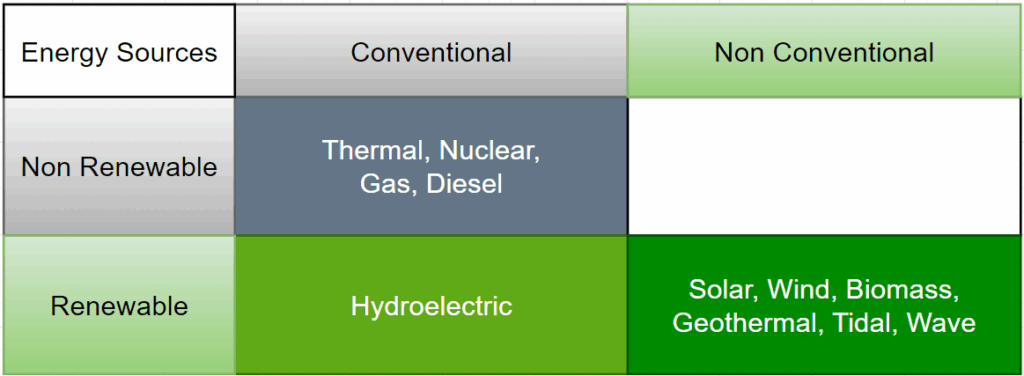
Conventional sources: Traditional sources of energy, known as conventional sources, have been used for a long time. However, they are typically non-sustainable, contribute to pollution, and cause significant harm to the environment. Thermal power stations using coal, nuclear power stations using radioactive elements, gas power stations using natural gas, diesel generators are some examples of conventional sources of electricity.
Non-conventional sources: Non-conventional sources of energy are non-traditional and have only recently gained widespread use. Unlike conventional sources, they are sustainable and environmentally friendly. As seen from the table, there are no non-renewable, non-conventional sources.
Non-renewable sources: These sources, once used up, cannot be replenished. Fossil fuels and nuclear fuels are non-renewable and also harmful to the environment.
Renewable sources: These sources do not get depleted over time. They are inexhaustible sources of energy and are also environmentally friendly. Among them, hydroelectric power is unique, it is a conventional source, used for decades, yet also renewable, since water is neither consumed nor exhausted during electricity generation.
Power generation - from source to generator
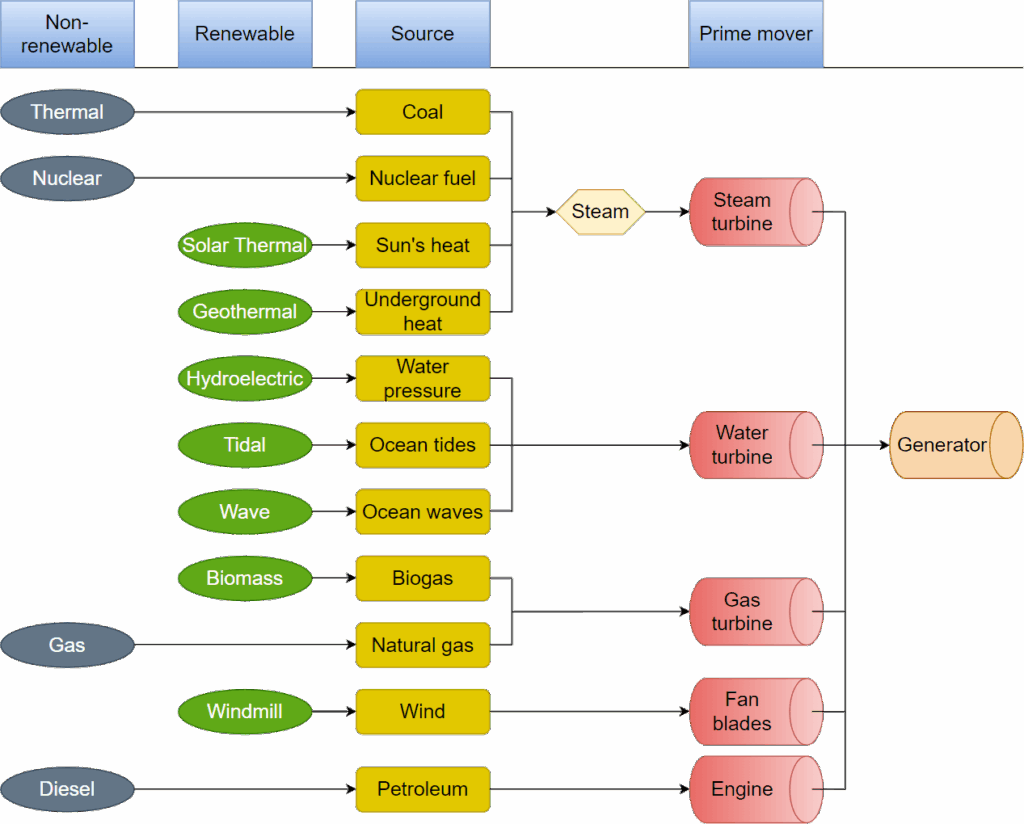
Common renewable sources of electricity
Among renewable energy sources, solar photovoltaic (PV) and wind generation are the most widely used.
Solar Photovoltaic: Photovoltaic (PV) cells directly convert visible sunlight into electricity. These cells are grouped together to form a solar panel. Multiple solar panels are then connected to create a solar array, which captures sunlight and generates direct current (DC) electricity. To make this electricity usable for homes and businesses, an inverter converts the DC into alternating current (AC). Solar PV generation is the only method where prime movers and generators are not involved in production of electricity.
This efficient and scalable system allows domestic and commercial users to harness clean, renewable energy from the sun.
Wind power plant: Unlike a solar photovoltaic (PV) system that generates direct current (DC), a wind power plant produces alternating current (AC) directly. Tall towers equipped with large rotor blades are installed in areas with consistently high wind speeds. As the wind blows, it turns the blades, which in turn rotate a generator mounted at the top of the tower. This mechanical motion is then converted into electrical energy, making wind turbines an efficient and clean source of renewable electricity.
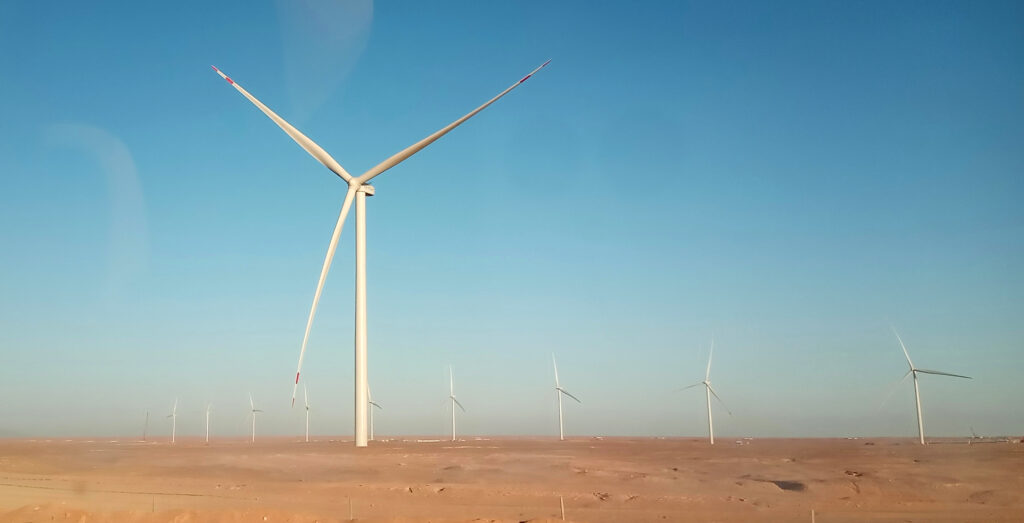
Solar photovoltaic (PV) panels can be easily installed in a variety of locations—on open land, rooftops of buildings, farmlands, and more. In contrast, wind turbines (or windmills) are typically set up in high-altitude areas such as hills or along coastal regions where wind speeds are consistently high.
Other methods of renewable power generation, such as geothermal, tidal, or wave energy, depend heavily on geographic location, weather conditions, and seasonal factors. As a result, these alternatives are not yet as widely adopted as solar and wind power.
Note: We have explored various sources of power generation, both renewable and non-renewable. Whether it is water, coal, natural gas, radioactive materials, or wind, all these energy sources serve a single purpose: to rotate a conductor within a magnetic field (or vice versa) inside a generator, thereby producing electricity.
Hypothetically, if we could make the conductors or magnetic field rotate on their own, without any external force, there would be no need for infrastructure like dams (used in hydroelectric power), boilers and cooling systems (used in thermal and nuclear power plants), nuclear reactors, or wind turbines. In essence, all power generation systems exist solely to initiate and sustain this mechanical rotation that leads to electricity production.
Perhaps you could write next articles regarding this article. I wish to read even more things approximately it!
Make a separate blog on renewables
Need some more, for example, nuclear generation, solar, solar thermal, wind, geothermal.
Good
Can you write on alternators, induction machines? Images are good.
More on this series needed
Beautiful
Like all your blogs, this too amazes me
Good to see an article with easy reading
Nice
Electricity series is good. More needed
Images are great
Wow
Thanks for the sensible critique. Me and my neighbor were just preparing to do a little research on this. We got a grab a book from our area library but I think I learned more clear from this post. I’m very glad to see such fantastic information being shared freely out there.
Wonderful
Very simple, very good, nice way of presenting infomration. You really have to write more